
How to Build Better Habits That Actually Stick

Building better habits is often easier said than done. Many people start with strong motivation but quickly fall back into old routines when progress slows or life becomes overwhelming. The key to lasting change lies not in willpower alone, but in creating a system that makes habits sustainable over time. By understanding how habits form and applying simple strategies, anyone can establish routines that truly stick and transform daily life.
Start Small and Focus on Consistency
One of the biggest mistakes when building habits is trying to change too much too quickly. Starting small allows new behaviors to fit naturally into daily routines without feeling overwhelming. For example, committing to five minutes of exercise each morning is more sustainable than aiming for an hour-long workout right away. Once the smaller habit becomes automatic, it can be gradually expanded. Consistency is more powerful than intensity when it comes to forming long-lasting habits.
Create Clear Cues and Triggers
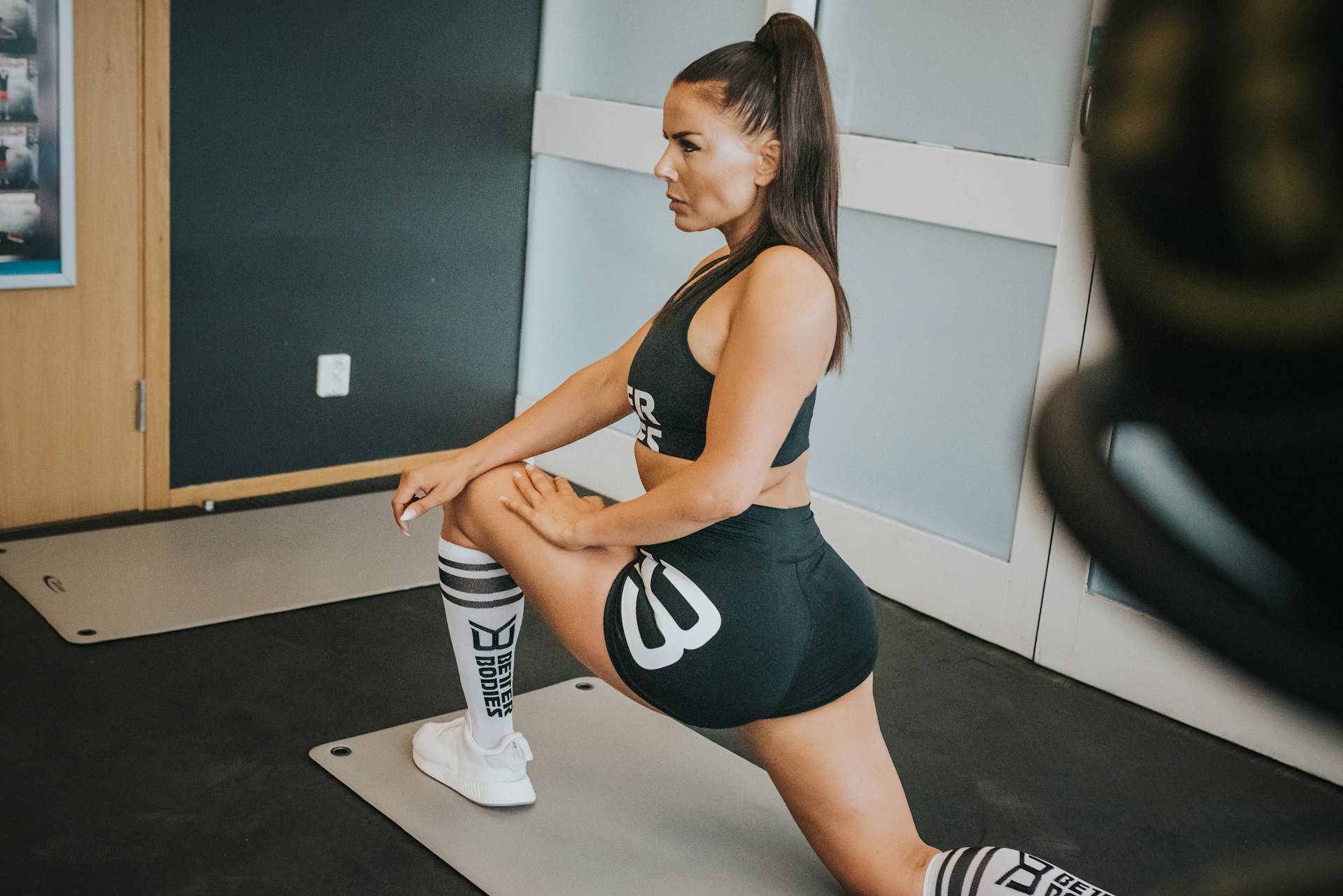
Habits are often built around cues—signals that prompt behavior. Associating new habits with existing routines helps reinforce them. Drinking a glass of water right after brushing your teeth or going for a short walk after lunch are examples of pairing habits with established actions. Over time, the cue becomes a natural reminder, making the habit easier to maintain without requiring constant mental effort.
Make Habits Enjoyable and Rewarding
People are more likely to stick with habits when they find them enjoyable or rewarding. Adding an element of fun or immediate benefit helps strengthen the habit loop. For instance, listening to a favorite podcast while exercising can make the activity more appealing. Celebrating small wins, such as acknowledging progress or tracking streaks, also reinforces positive behavior and motivates continued effort.
Remove Barriers and Reduce Friction
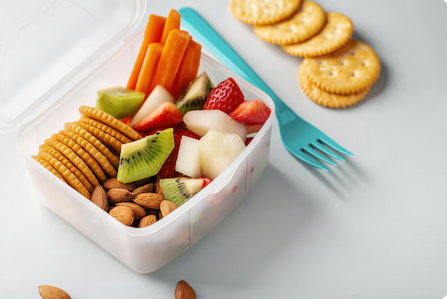
Making habits stick often comes down to the environment. If a habit feels difficult to start, it’s less likely to last. Removing barriers and reducing friction make the desired behavior easier to perform. Preparing gym clothes the night before or keeping healthy snacks within reach reduces the effort required to make better choices. Conversely, increasing friction for bad habits—such as keeping tempting foods out of sight—helps reduce unwanted behaviors.
The Power of Identity in Habit Formation
Lasting habits are often linked to personal identity. Instead of focusing solely on outcomes, shifting the mindset to “who you want to become” strengthens commitment. For example, rather than aiming to “run three times a week,” adopting the mindset of “I am a runner” aligns actions with identity. This shift creates deeper motivation, as behaviors become part of one’s sense of self rather than just tasks to complete.
Building better habits that actually stick requires a blend of strategy, patience, and self-awareness. Starting small, creating clear cues, making habits enjoyable, reducing friction, and linking actions to identity all contribute to long-term success. Habits are not formed overnight, but through consistent effort and intentional choices, they can become powerful tools for personal growth. By focusing on progress and embracing the process, anyone can develop …